Specialist Anxiety Therapist in London
What this page covers:
- Who Attie Hope is
- Whether you need to be in crisis before starting therapy
- What a specialist anxiety therapist does differently from a general counsellor
- The types of anxiety therapy can address, including GAD, panic disorder, social anxiety, health anxiety and OCD
- What your first few sessions actually look like
- How to know if a therapist is the right fit
- What clients say
- Fees, session length, and how to access NHS or private therapy
- What happens when you get in touch
- Frequently asked questions
Attie Hope | BABCP Accredited Anxiety Therapist | Central London
Attie specialises exclusively in anxiety disorders, using CBT and ERP to help adults break the cycle of anxiety and avoidance.
A specialist anxiety therapist in London works with the specific patterns that keep anxiety going, using evidence-based approaches like CBT and exposure therapy to change the cycle rather than just manage symptoms. Attie Hope is a BABCP accredited CBT therapist based in Central London, working exclusively with anxiety disorders. NICE recommends CBT as the first-line treatment for most anxiety disorders, and working with a specialist means the approach is matched to your specific type of anxiety.
Most people who contact an anxiety therapist have been thinking about it for a while: weeks, sometimes months. Not because the anxiety isn’t real, it is, but because anxiety has a way of making the very act of seeking help feel like one more thing that could go wrong.
If that sounds familiar, this page is written for you.
You don’t need a diagnosis, a referral, or a crisis point to start. You just need to be finding it hard and ready to try something different.
This page explains what working with a specialist anxiety therapist in London actually involves, what makes it different from general counselling, and what happens when you get in touch.
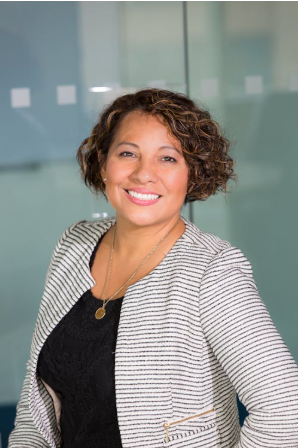
Attie Hope
BABCP Accredited CBT Therapist
Specialising in Anxiety Disorders — Central London
10 years of experience
You don’t need to have hit a crisis point
Most people who start therapy aren’t in crisis. They’re managing. Getting through their days, meeting their responsibilities, keeping things together. But underneath that, there’s something that takes a lot of effort to hold. A constant low-level alertness. A tendency to catastrophise situations before they’ve happened. Avoiding things that matter because the anxiety around them feels like too much. Lying awake at 2 a.m., going over conversations that haven’t happened yet.
That kind of anxiety is worth addressing. Not because it will definitely get worse, though it can, but because living like that is harder than it needs to be.
Here is the thing about reaching out for help. It involves uncertainty. You don’t know what will happen, whether it will work, or whether what you’re going through is serious enough to warrant it. For someone with anxiety, uncertainty doesn’t feel neutral. It feels like a reason not to act.
That’s not a character flaw. That’s the anxiety doing what anxiety does.
Starting therapy earlier also changes what therapy can do. Avoidance patterns are easier to interrupt when they’re newer. Waiting until things become unbearable doesn’t make therapy more likely to work. It usually just means it takes longer.
You don’t need to have the right words when you get in touch. “I’ve been struggling for a while, and I’m not sure if this is bad enough to get help for” is one of the most common starting points.
The first step is a short phone call, no cost, no obligation. Just a conversation to see if it feels like the right fit.
What an anxiety therapist does differently from a general counsellor
A specialist anxiety therapist works with the specific mechanisms that maintain anxiety, not just the feelings it produces. That distinction changes what the therapy involves and what it can achieve.
If you’ve had counselling before and didn’t get much from it, that experience makes sense. Counselling is genuinely useful for a lot of things. Processing grief, navigating a difficult relationship, working through a life transition. But anxiety, particularly when it has become entrenched, responds to something more specific.
The difference isn’t about one being better than the other. It’s about what each is designed to do.
Counselling tends to focus on how you’re feeling and helping you make sense of it. That can bring relief, and relief matters. But anxiety doesn’t just need to be understood. It needs to be interrupted. And interrupting it requires knowing exactly how it works.
What a specialist actually knows
Anxiety isn’t one condition. Generalised anxiety disorder, which is the persistent background worry that never fully switches off, works differently from panic disorder, where the anxiety comes in sudden, overwhelming waves. Social anxiety, the fear of being judged or humiliated in front of others, has its own patterns and its own treatment approach. So do health anxiety, OCD, and specific phobias.
A specialist has been trained to understand these differences and knows which approach the evidence supports for each one. NICE recommends CBT as the first-line treatment for most anxiety disorders, and a specialist will be trained in the specific CBT protocols relevant to your presentation. OCD, for example, doesn’t respond well to standard talk-based CBT alone. The treatment with the strongest evidence base is ERP, which stands for Exposure and Response Prevention. It involves gradually facing the thoughts or situations that trigger obsessions while resisting the compulsions that temporarily relieve them. A general therapist may not have trained in this. A specialist will have.
The role of avoidance
One of the most important things a specialist understands is avoidance. When something makes us anxious, avoiding it feels like the sensible response. And in the short term, it works. The anxiety drops. But avoidance also teaches the brain that the thing avoided was genuinely dangerous, which makes the anxiety stronger the next time. Over time, avoidance tends to spread. Manageable things become harder. Areas of life start to shrink.
Specialist anxiety therapy works directly with avoidance. Not by pushing you into situations before you’re ready, but by building a careful, graduated plan that helps your nervous system learn that it can tolerate the discomfort and that the feared outcome usually doesn’t happen.
This is called exposure work, and it has to be calibrated carefully. Done too fast, it can make things worse. Done well, it’s one of the most effective things therapy can offer.
Symptom management versus actual change
Feeling better in the moment and recovering from anxiety are not the same thing. Breathing exercises, grounding techniques, and relaxation practices all have their place, and a good therapist will teach you to use them. But they manage anxiety rather than change it. They’re useful tools for getting through difficult moments.
What specialist therapy works towards is something different. It aims to change the underlying mechanism, the way your brain evaluates threat and responds to uncertainty, so that anxiety stops being the default response in the first place.
That kind of change takes longer than feeling better after a few sessions. But it also lasts.
What to look for when choosing a therapist
If you want to work with someone who genuinely specialises in anxiety rather than someone who sees anxious clients among a general caseload, there are a few things worth checking.
For CBT specifically, look for BABCP accreditation. The BABCP is the British Association for Behavioural and Cognitive Psychotherapies, and it sets the training standard for CBT practitioners in the UK. Accreditation means the therapist has met a recognised level of training and clinical experience, not just attended a short course.
Beyond that, it’s worth asking directly about their experience with your specific type of anxiety. Someone who works regularly with OCD will have a different depth of knowledge than someone who has seen a few OCD clients alongside a broader caseload. That depth matters.
The kinds of anxiety that therapy can address
Therapy works well for most types of anxiety, though the approach varies depending on which type you have and what maintains it.
Most people don’t arrive at therapy thinking “I have generalised anxiety disorder.” They arrive thinking something more like: I can’t stop worrying. I keep imagining the worst. I’ve started avoiding things I used to do without thinking. I feel exhausted and I’m not sure why.
The clinical labels exist for a reason but they’re not always the most useful starting point. What tends to matter more is recognising your own experience in what’s being described.
Constant background worry
This is what clinicians call generalised anxiety disorder, or GAD. But in daily life it feels less like a disorder and more like a mind that never stops. There’s always something to worry about. When one thing resolves another takes its place. You might lie awake running through unlikely scenarios. You might struggle to be present in conversations because part of your attention is always somewhere else, working through something that might go wrong.
Therapy for this kind of anxiety focuses on the relationship between worry and uncertainty. People with GAD often worry as a way of feeling prepared, as though thinking through every possible outcome will somehow protect them. Therapy works by examining that relationship and gradually building a tolerance for not knowing, which turns out to be more manageable than it sounds.
Panic attacks
Panic disorder involves sudden and overwhelming surges of anxiety, often with physical symptoms that can feel frighteningly similar to a heart attack. Racing heart, difficulty breathing, dizziness, a sense that something terrible is about to happen. The attacks themselves are distressing enough. But often what causes the most disruption is the fear of having another one.
Therapy for panic disorder involves understanding what’s happening in the body during a panic attack and why it’s not dangerous, even though it feels like it is. It also involves gradually reducing the avoidance that tends to build up around the situations where attacks have happened before.
Social anxiety
Social anxiety is more than shyness. It’s a persistent fear of being judged or humiliated in social situations, dreading meetings at work, avoiding phone calls, replaying conversations for hours afterwards. CBT for social anxiety works differently from CBT for general worry. Most people with social anxiety spend a lot of time in social situations monitoring themselves from the outside, watching how they come across, scanning for signs they’ve said something wrong. They also tend to use safety behaviours to get through difficult situations, speaking quietly to avoid attention, rehearsing what they’re going to say, leaving early. Those behaviours feel protective but they actually maintain the anxiety because they prevent you from finding out that the feared outcome probably wouldn’t have happened. Reducing them is a central part of the work.
Health anxiety
Health anxiety involves persistent worry about having a serious illness, often despite reassurance from doctors. It might look like checking your body for symptoms repeatedly throughout the day. Googling something and feeling briefly better, then needing to check again an hour later. Noticing a sensation, a headache, a tight chest, and immediately wondering what it might mean. Asking family members or friends for reassurance that you’re probably fine, getting it, and still not quite believing it.
What keeps health anxiety going is the reassurance-seeking and the avoidance of uncertainty. Every check, every Google search, every question asked brings temporary relief. But it also reinforces the idea that the uncertainty needed to be resolved, which means the next time a symptom appears the urge to check is just as strong. Therapy works by gradually reducing that cycle rather than managing it session by session.
OCD
OCD shares features with other anxiety disorders but tends to need a more specific approach. The treatment with the strongest evidence base is ERP, Exposure and Response Prevention, which involves gradually facing the situations or thoughts that trigger obsessions while resisting the urge to carry out the compulsion. Standard talk-based CBT on its own tends to be less effective because understanding the cycle intellectually doesn’t break it. The behavioural component, actually resisting the compulsion in the moment, is what produces lasting change.
The role of avoidance across all of these
One thing that connects every form of anxiety is avoidance. Whatever the anxiety is about, avoiding it brings short-term relief. That relief is real. But it also teaches the brain that the avoided thing was genuinely dangerous, which makes the anxiety stronger and the avoidance more necessary over time. Areas of life gradually shrink.
Therapy works by reversing that process. Not by forcing you into situations before you’re ready, but by building a graduated plan that helps your nervous system learn, through direct experience, that it can cope with the discomfort.
Will it feel worse before it gets better?
For some people, particularly those doing exposure-based work, the answer is yes, temporarily. When you face a situation you’ve been avoiding, the anxiety tends to rise before it falls. That’s not a sign that something has gone wrong. It’s the mechanism working. A good therapist will build the exposure gradually so the discomfort stays within what’s tolerable, and will prepare you for what to expect before each step.
How long does it take?
For most anxiety disorders, significant improvement is often noticeable within 8 to 16 sessions of specialist CBT. That’s not a promise. It depends on the presentation, how long the anxiety has been established, and how consistently the work is practised between sessions. But it’s a realistic timeframe for most people, and it’s worth knowing before you start.
What your first few sessions actually look like
The first session is an assessment, not a treatment session. Nothing will be forced. The pace is yours.
Most people feel nervous before the first session. That’s not just understandable, it’s almost universal. You’re about to talk to a stranger about something you probably haven’t fully talked about with anyone. The anxiety that brought you there will likely show up in the waiting room, too.
The first session is an assessment
It’s worth knowing this before you go in: the first session is not about fixing anything. It’s about your therapist getting a clear picture of what you’re experiencing, how long it’s been going on, what makes it better or worse, and what you’d like to be different.
You may not leave with tools or techniques, though some therapists will offer a simple grounding strategy even in the first session. Either way, that’s not the main purpose of the first session. It’s not because nothing happened. It’s because the first session does its own important work, building a shared understanding of your anxiety that everything else is built on.
You might leave feeling relieved. You might also leave feeling a bit flat, like nothing was resolved. Both are normal.
What you’ll be asked
Your therapist will ask questions to understand your anxiety specifically. Things like: when does it tend to show up? What do you do when it gets bad? Have you noticed anything that makes it worse? Is there anything you’ve been avoiding?
None of these questions have a right answer. The therapist isn’t testing you. They’re building a map of how your anxiety works so that the therapy can be targeted rather than generic. Your therapist brings the clinical knowledge. You bring the expertise on your own life. The work happens in between.
You don’t need to arrive prepared
A lot of people worry about not knowing what to say. They rehearse it. They worry they’ll go blank or cry or say something that doesn’t make sense.
You don’t need a prepared speech. Saying “I don’t really know where to start” is a perfectly good starting point. So is “I’ve been feeling anxious most of the time, and I’m not sure if that’s normal.” Your therapist will ask questions. You answer them as best you can. That’s all.
After the first session
Some people feel lighter after the first session. Others feel more unsettled than they did before. Talking about something you’ve been carrying quietly for a long time can stir things up, even when the conversation itself felt fine.
If you can, plan something easy for afterwards. Not a busy evening or a difficult conversation. Something low-key that gives you a bit of space to land.
What ongoing sessions look like
From the second or third session onwards, a pattern usually develops. Most sessions follow a similar structure, which turns out to be reassuring rather than repetitive.
A typical session starts with a brief check-in. How has your anxiety been since the last time? Were there any situations that were harder than usual, or any that went better than expected? Then there’s a review of whatever was practised between sessions, a thought record, a small exposure, something noticed. What happened? What did you learn from it?
From there, the session moves into new work. A new skill, a deeper look at a pattern that’s come up, or a more difficult exposure to plan. It ends with a clear plan for the week ahead, one or two specific things to try, small enough to be manageable.
That structure means you always know roughly what to expect when you walk in. For someone whose anxiety is partly about uncertainty, that predictability matters.
What progress actually looks like
Progress in anxiety therapy rarely feels like a dramatic shift. It tends to be quieter than that.
It might look like noticing a catastrophic thought and not fully believing it the way you used to. Sending an email you’d been putting off for two weeks. Waking up and realising the chest tightness that used to be there first thing in the morning wasn’t there today. Going to something you’d normally have cancelled.
Those moments tend to accumulate before you notice them as a pattern. Most people find that at some point in the early sessions, they start to have something concrete to report, a situation handled differently, a week that felt slightly lighter. That’s usually when the work starts to feel real.
How to know if a therapist is the right fit
Finding a therapist who is right for you matters more than most people realise. There is strong evidence across multiple studies that the therapeutic relationship is one of the strongest predictors of how well therapy goes, often more so than the specific approach used. The approach matters, but who they are in the room with you matters at least as much.
So it is worth knowing what to look for, what to ask, and how to tell the difference between a therapist who is not right and one who just feels unfamiliar.
What to ask before you commit
When you speak to a therapist for the first time, it’s reasonable to ask about their experience directly. Not just whether they work with anxiety, but which types specifically. Someone who works regularly with OCD will have a different depth of knowledge than someone who sees anxious clients as part of a general caseload.
Useful questions to ask:
Do you have experience working with this specific type of anxiety, for example, panic disorder, social anxiety, or OCD?
Are you familiar with exposure-based approaches, and do you use them in your work?
What does a typical course of treatment look like for someone with my kind of presentation?
A good answer will be specific. If the response is vague, something like “yes I work with anxiety” without any detail about subtypes or methods, that’s useful information too.
What BABCP accreditation means
If you’re looking for CBT, it’s worth checking whether the therapist is accredited by the BABCP, which stands for the British Association for Behavioural and Cognitive Psychotherapies. This is the professional body that sets the training standard for CBT practitioners in the UK.
BABCP accreditation means the therapist has completed a recognised level of training, has accumulated a required number of supervised clinical hours, and has met competency standards. It’s not a guarantee of quality, but it’s a meaningful baseline, particularly for anxiety, where the evidence base is closely tied to specific CBT protocols.
Is this anxiety talking, or is it a genuine bad fit?
This is one of the more difficult questions in therapy, and it’s worth thinking about honestly.
Anxiety makes uncertainty feel dangerous. A new therapist is unfamiliar, the process is unpredictable, and you don’t yet know if it will work. For someone with anxiety, all of that uncertainty can feel like a reason to leave. It isn’t necessarily.
Productive discomfort feels uncomfortable, but leaves you with something to think about. You might leave a session feeling emotionally tired, or unsettled, or like something was gently challenged. That can be the work doing what it’s supposed to do.
A genuine bad fit feels different. It feels like being consistently misunderstood. Like the therapist isn’t quite hearing what you’re saying. Like you leave session after session without anything shifting. Progress in therapy can be subtle, so it’s worth asking yourself whether something small has changed rather than waiting for an obvious shift. If the honest answer is still nothing, that’s worth taking seriously.
The distinction matters because the impulse to leave is sometimes the anxiety, not an accurate read of the situation.
A realistic timeframe
The first session or two will give you a sense of whether you feel safe enough to continue. That initial sense of safety matters, and it’s worth trusting.
Beyond that, allow a few sessions for the working relationship to develop. Therapy often feels awkward before it feels useful. That’s normal.
If, after four to six sessions, you still feel consistently unheard, or like the sessions aren’t connecting with anything real in your day to day life, that’s worth paying attention to. It doesn’t automatically mean the therapist is wrong for you, but it does mean the fit is worth examining.
If something isn’t working, say so
The most useful thing you can do if therapy doesn’t feel right is to raise it directly with the therapist. That might feel uncomfortable, but a good therapist will welcome it. It gives them information they need, and it gives the relationship a chance to adjust.
Switching therapists is always an option. But it’s worth knowing that starting again has a real cost. You lose the context the current therapist has built up, and you go back to the beginning. That’s not a reason to stay somewhere that genuinely isn’t working. Staying too long with the wrong therapist has its own cost. But if the fit is uncertain rather than clearly wrong, trying to repair the relationship first is usually worth attempting before starting again.
What clients say
Example reviews, demo content for practice purposes
“I’d tried therapy before and it never quite landed. This was different. Structured, practical, and I actually understood why I was doing each exercise.”
Client who worked on generalised anxiety
“I was avoiding so much without realising it. Slowly facing things again, at my own pace, made more difference than I expected.”
Client who worked on social anxiety
“The first session felt less intimidating than I thought it would. I didn’t need to have the right words, which helped a lot.”
Client who worked with panic and general anxiety
Fees, availability, and how sessions work
Private CBT with a specialist anxiety therapist in London typically costs between £70 and £120 per session. A course of therapy for anxiety usually runs between 12 and 20 sessions, which means a realistic total cost of roughly £840 to £2,000 depending on the presentation. That is worth knowing before you start rather than discovering halfway through.
Sessions are 50 minutes and take place weekly, or fortnightly once progress is established.
The first contact
Most private therapists offer a free introductory call before any session is booked. Usually 15 to 20 minutes, no cost, no obligation. It is a chance to ask questions, get a sense of how the therapist works, and decide whether to go ahead. You do not need to have decided anything before that call.
Sliding scale fees
Some therapists offer reduced fees for people on lower incomes. It is always worth asking. A straightforward way to raise it: “I’m interested in working with you. Do you offer reduced fees for people on lower incomes?” Asking commits you to nothing and will not be taken badly.
If you’re employed, check your EAP first
Many employers offer an Employee Assistance Programme, or EAP, which provides free confidential counselling sessions, usually six to eight. Your employer will not be told you used it. Most people do not know this resource exists. Check your staff handbook or employee benefits portal before paying privately.
If you are weighing up whether medication might play a role alongside therapy, the anxiety medication page covers how the two approaches compare and what the GP conversation actually looks like.
NHS therapy
NHS Talking Therapies provides free therapy for anxiety and depression. In England you can refer yourself without seeing a GP first. The wait between referral and starting treatment varies depending on where you are, but self-referral is often faster than going through a GP. Using private therapy while waiting for NHS treatment is legitimate and common.
Confidentiality
Your employer will not be told you are in therapy. In most private settings, your GP will not be routinely informed either, though it is worth asking your therapist directly what their policy is before you start. What you discuss in sessions is confidential, with the only exception being a serious risk of harm.
Cancellation
Most therapists ask for 24 to 48 hours notice to cancel. Sessions cancelled with less notice are usually charged in full. If anxiety is making you want to cancel a session, that is worth noticing rather than acting on.
When you’re ready, or almost ready
If you’ve read this far, something brought you here. That’s worth paying attention to.
You might feel ready to get in touch. You might also feel like you’re nearly there but not quite. Both are fine. This page isn’t going anywhere, and neither is the option to reach out.
What tends to happen is that people sit with this for a while. They read, they think, they close the tab, they come back. That’s not indecision. That’s what it looks like when anxiety is involved in the process of addressing anxiety. The uncertainty of reaching out can feel like a reason to wait a bit longer. For some people, it genuinely is. But often it’s the anxiety making the uncertainty feel more significant than it is.
What happens when you get in touch
You send a message or make a call. That’s it. Nothing is set in motion beyond that.
The next step is a short introductory call, usually around 15 to 20 minutes, at no cost. It’s not an assessment, and it’s not a commitment. It’s a conversation. You can ask questions, say what’s been going on, and get a sense of whether this feels like the right fit. If it doesn’t, you’re not obligated to continue.
You don’t need to have your situation neatly summarised before you call. You don’t need to know what kind of help you’re looking for. Saying “I’ve been struggling for a while and I wanted to find out more” is enough to start.
Frequently Asked Questions
Do I need a diagnosis before starting therapy?
No. You just need to be finding things hard and ready to try something different.
What happens in the first session?
It’s an assessment, not treatment. Your therapist gets a clear picture of what you’re experiencing nothing is forced, and the pace is yours.
How long does anxiety therapy take?
Most people notice meaningful change within 8 to 16 sessions of specialist CBT, though this depends on your specific situation.
How much does private anxiety therapy cost in London?
Typically £70 to £120 per session, with a full course usually costing £840 to £2,000 depending on your needs.
Will therapy make my anxiety feel worse before it gets better?
For some people doing exposure-based work, yes, temporarily. That’s a sign the process is working, not a sign something’s wrong.
How do I know if a therapist is the right fit?
The first session or two will give you a sense of whether you feel safe enough to continue. If after four to six sessions you still feel consistently unheard, that’s worth paying attention to.
If now isn’t the right time
That’s okay too. Therapy works best when there’s enough space in your life to engage with it. If you’re in the middle of a crisis, a house move, or something that’s taking everything you have, it’s reasonable to wait until things are slightly more settled. That’s a judgment only you can make.
When you are ready, the process of getting started is straightforward. A short call, a first session to understand what’s going on, and a clear plan from there.
Attie Hope is a BABCP accredited anxiety therapist based in Central London. If you’d like to find out more or ask a question before committing to anything, getting in touch costs nothing and commits you to nothing. That’s about as low risk as a first step gets.
If you want to understand more about how therapy for anxiety actually works before getting in touch, the How Therapy Works for Anxiety page covers the process, the timelines, and what to expect week to week.